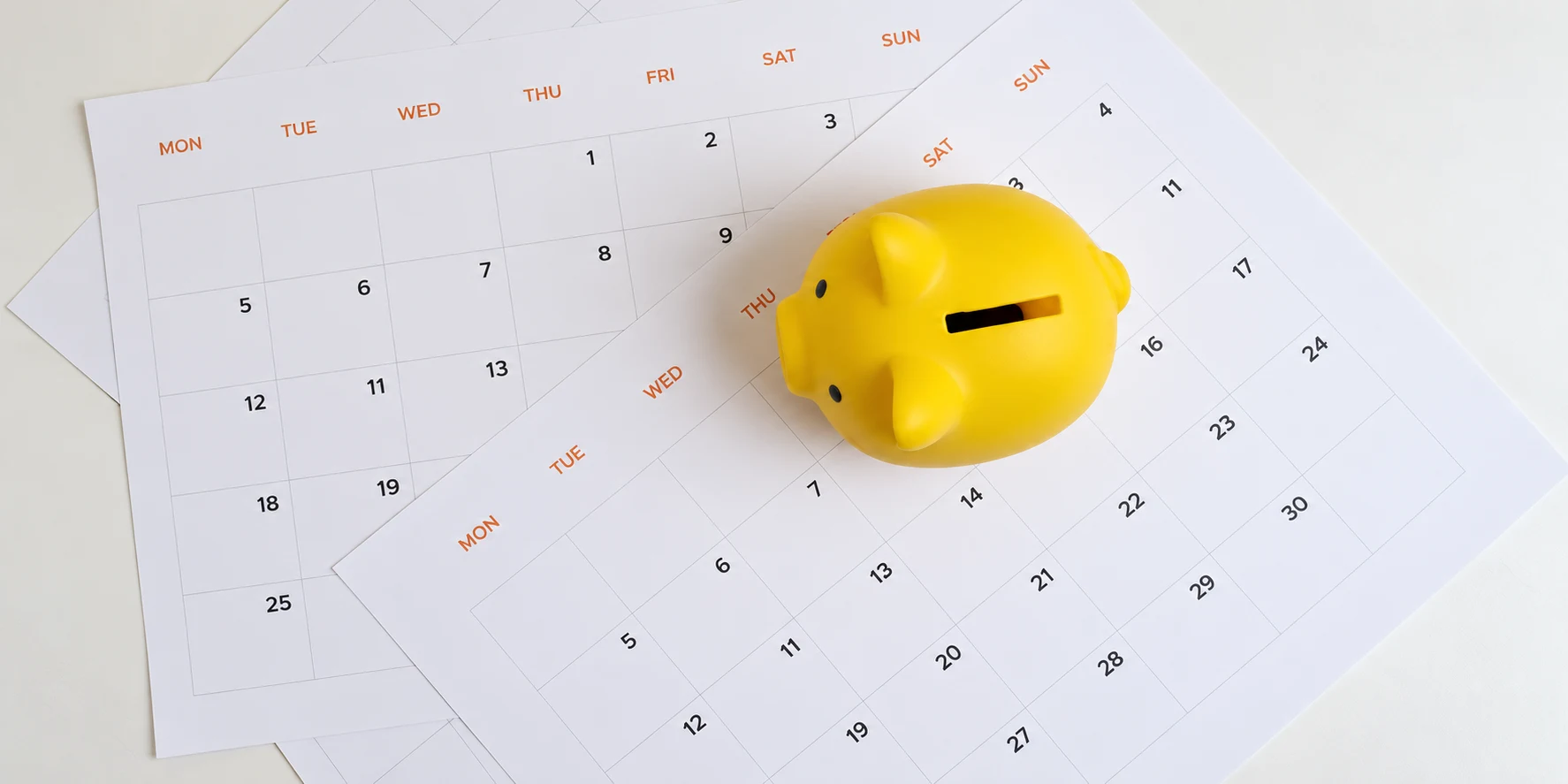
How to build an emergency fund
An emergency fund gives you accessible cash for costs you could not reasonably plan for, helping you avoid expensive debt or selling investments at the wrong time.
In this guide

Unexpected costs can arise without warning, from an urgent car repair or medical bill to a sudden loss of income.
An emergency fund gives you money to fall back on, helping you cover essential costs without relying on expensive debt. This guide explains how much to save, how to build your fund and where to keep it so it is ready when you need it.
Key terms used in this guide5 terms
Definition
Emergency fund
Money kept specifically for unexpected, necessary and urgent costs or a sudden loss of income.
What is an emergency fund?
An emergency fund is money reserved for an unexpected and essential cost, or for essential spending after a sudden loss of income. Keeping it separate reduces the chance that a financial shock becomes expensive debt.
Planned but irregular expenses belong in separate savings pots. A boiler service, annual insurance renewal or holiday may be costly, but if you know it is coming, it should not consume the buffer intended for a genuine emergency.
This is what an emergency fund is for
- Urgent car or home repair
- Unexpected loss of income
- Essential medical or family cost
- An immediate cost that cannot safely wait
This is just planned savings
- Holiday or wedding
- Routine maintenance
- Furniture or technology
- Known annual bills and subscriptions
Calculate your emergency fund size
A common starting point is three to six months of essential outgoings. Calculate this from the bills and spending you would still need to cover if income stopped, rather than from your full current lifestyle. The amount that suits you will also depend on your income security, other household income, the people who depend on you, your housing costs, insurance and access to other support.
Adjust the inputs to see how your circumstances change the suggested target.
Inputs
Enter your essential costs and the circumstances that affect how much financial cover you may need.
Monthly expenditure
Income security
Household
Financial resilience
How do you build an emergency fund?
Start with a manageable first milestone rather than waiting until the full target feels affordable. Consistency matters more than making every contribution large.
- 1
Calculate essential monthly costs
Add housing, food, utilities, transport, insurance and minimum debt repayments. Exclude spending you could pause during an emergency.
- 2
Set a starter target
Aim first for a small buffer that could absorb a common urgent cost, then build towards the number of months appropriate for you.
- 3
Keep it separate
Use a dedicated account so everyday spending and planned purchases do not gradually consume the fund.
- 4
Automate contributions
Set a standing order shortly after payday. Choose an amount you can sustain without falling behind on priority bills or expensive debt.
- 5
Use irregular income deliberately
Consider directing part of a bonus, refund or stronger self-employed month towards the fund until the target is reached.
- 6
Review the target
Recalculate after a move, income change, new dependant or material increase in essential bills.
Where should you keep an emergency fund?
You do not need to keep the whole fund in one place. Keep enough for bills and urgent costs in easy access, then consider slower-access options only for money you are unlikely to need immediately.
Choose an account type
- Access time
- Usually the same day, although transfer times and account-specific withdrawal limits can apply.
- Best for
- The first layer of your fund. Keep enough here to cover bills and urgent costs that cannot wait.
- Keep in mind
- Check transfer times and withdrawal limits. If you use a A flexible cash ISA lets you withdraw money and replace it during the same tax year without the replacement using more of your ISA allowance, subject to the provider's rules., confirm that its access rules meet your needs.
Live savings options
Compare representative instant-access, cash ISA and notice-account rates alongside the current Premium Bonds prize-fund rate. Check how quickly you can withdraw before using an account for emergency savings.
- Instant accessSantanderEdge saver Issue 56.00%AER · variable
- Easy-access cash ISAChipSmart Cash ISA - New Customer 12 Month Boosted Rate4.86%AER · variable
- 30-day noticeEarl Shilton BS30 Day Notice – Issue 13.99%AER · variable
- 60-day noticeKent Reliance60 Day Notice Account - issue 754.25%AER · variable
- 90-day noticeBLME90 Day Notice Account Issue 104.58%AER · variable
- Premium BondsNS&IPremium Bonds4.35%expected return






Is it a good idea to invest your emergency fund?
Generally, no. An emergency fund should be stable and available at short notice.
The way prices in the stock market and other investment markets rise and fall over time. If prices fall when you need the money, you may have to sell for less than you invested. could reduce the value of an investment just before you need the money, forcing you to sell at a loss. How quickly and easily money can be accessed, or an asset converted into cash, without a material delay, charge or loss in value. also matters: selling an investment and receiving the cash can take time, and some products have withdrawal restrictions or charges.
Keep emergency savings in accessible cash accounts. Money intended for longer-term goals can be invested separately, provided you can leave it invested and accept that its value may rise or fall.
How long might it take to reach your emergency fund target?
Estimate your emergency fund target and how long it could take to build, or open the full calculator.
Inputs
Enter your essential monthly expenses, the cover you want and how you plan to build the fund.
Emergency fund target
Building your fund
Annual savings rate
The bottom line
A useful emergency fund is large enough for your circumstances, safe enough to rely on and accessible quickly when a genuine emergency happens.
Build resilience before chasing return.Start with a realistic first milestone, automate what you can, keep the money separate and review both the account and target when life changes.